
18–23 cm Spiral Candle Molds: Beeswax Ideas That Cast Clean Ridges
The best spiral candle projects are spiral tapers, spiral pillars, and spiral votives, and they turn out cleanest when cast in reusable silicone molds with natural beeswax. Beeswax holds fine spiral ridges better than most paraffin blends, and silicone releases that detail without cracking the twist. The sections below cover sizing, mold selection, a step-by-step pour, and finishing ideas you can use today.
TL;DR:
- Beeswax retains ridge detail longer than paraffin because it shrinks less during cooling, leading to sharper spiral patterns.
- The ideal starter mold for beginners is a small spiral votive or taper, which requires less wax and cools faster for easier handling.
- Using a hot enough wax pour and a slow, steady technique prevents air bubbles and sinkholes along the spiral ridges.
- Reusable silicone molds from brands like Latvian Candles can withstand multiple pours, reducing waste and cost over time.
- The largest standard spiral taper mold is 23 centimeters, matching common candlestick sizes, while wider molds need more wax and surface area.
Table of Contents
- Spiral Candle Mold Ideas Worth Trying
- Choosing the Right Materials and Mold
- How to Cast a Spiral Candle in a Silicone Mold
- Finishing and Styling Your Spiral Candles
- Why Latvian Candles Molds Fit Spiral Projects
- Tips for Building a Custom Spiral Mold at Home
- Environmental Considerations and Wax Sourcing
- A Craft Perspective on Spiral Candles
- Shop Spiral Silicone Molds and Starter Kits
- Sources
- FAQ
Spiral Candle Mold Ideas Worth Trying
Spiral shapes aren’t one design. The twist can run tall and narrow, short and wide, or break into separate segments you rearrange by hand. Here’s a working catalogue of the forms hobbyists actually cast, with sizing notes pulled from real product specs.
- Spiral taper. Standard heights run 18 to 23 centimeters, which fits most candlesticks and candelabras without trimming the base. A 23 cm spiral taper mold gives you enough twist definition for candlelit dinner tables while staying slim enough for narrow holders.
- Spiral pillar. Wider diameters mean more surface area for the ridge pattern to read as a true spiral rather than a subtle texture. Pillars need more wax per pour, and they work as standalone centerpieces rather than paired candlesticks.
- Interactive multi-part spiral pieces. Some makers cast spiral segments as separate stackable or rotatable units rather than one solid form. This approach borrows from interactive handcrafted candle designs built around tactile rearrangement, which turns the candle into something you touch and adjust, not just light.
Spiral shapes also translate across wax types. Spiral soy wax candles sold in multiple size options confirm the mold design isn’t beeswax-exclusive, though beeswax still holds the ridge detail longer once the candle starts burning down.
Choosing the Right Materials and Mold
Not every silicone mold performs the same way once hot wax hits it. Check flexibility first: a mold that’s too stiff will tear fine spiral ridges when you de-mold, while one that’s too soft can distort the twist during cooling. Look for food-grade or soap-grade silicone rated for the pour temperatures your wax needs, and confirm the manufacturer lists a maximum heat tolerance.
Beeswax is the preferred base for spiral molds because it shrinks less than paraffin, which keeps the ridge pattern sharp instead of pulling away from the mold wall. Soy or paraffin blends work too, but expect slightly softer detail. Adding color or scent changes viscosity, so test small batches before committing to a full pillar-sized pour.
Wick sizing depends on diameter. A narrow spiral taper needs a thinner wick than a wide spiral pillar, and using an undersized wick on a wide pour leads to tunneling instead of a full melt pool.
- Check the mold’s maximum recommended pour temperature before you start.
- Match wick gauge to candle diameter, not just candle height.
- Spray silicone release into deep ridges for complex spiral patterns.
- Keep a kitchen thermometer, pouring pitcher, and wick centering tool on hand.
Quick reference: a mold like the FS475 spiral silicone mold lists exact dimensions, estimated wax weight per candle, and mold-prep steps right on the product page, which takes the guesswork out of sizing your first batch.
How to Cast a Spiral Candle in a Silicone Mold
This process makes one finished spiral candle, taper or pillar, using melted beeswax poured into a silicone mold.
- Prep the mold. Wipe it clean and apply a light silicone release spray into the ridges if the twist is deep.
- Set the wick. Thread it through the mold’s wick hole and secure it at the top with a centering tool or a straw.
- Melt the wax. Bring beeswax to a pourable temperature range, checking with a thermometer rather than guessing by eye.
- Pour slowly. A slow, steady pour fills spiral cavities without trapping air pockets along the ridge.
- Cool gradually. Let the candle set at room temperature; rushing it in a fridge can cause cracking or sinkholes.
- De-mold. Once fully hardened, flex the silicone gently away from the wax rather than pulling the candle straight out.
- Trim and test. Cut the wick to about a quarter inch and burn-test before gifting or displaying.
Air pockets usually mean you poured too fast or too cool. Sinkholes near the wick often mean the wax cooled unevenly, so a second small top-off pour once the surface skins over usually fixes it.
Pro Tip: Pour your beeswax a few degrees hotter than you think you need for spiral molds specifically. The extra fluidity helps wax reach every groove in the twist before it starts to set.
Finishing and Styling Your Spiral Candles
A raw spiral candle looks good. A finished one looks intentional. Light buffing with a soft cloth brings out shine on beeswax, while a light sanding pass can smooth any seam lines left by the mold.
- Add metallic leaf or a light wax polish along the raised ridges for contrast.
- Pair candles with moss, dried flowers, or a simple wooden holder, and keep any dried material well clear of the flame.
- Group candles of varying heights and diameters together rather than lining up matching ones, which is the same principle behind most sculptural candle displays.
- For a styled centerpiece, look at how florists build around sculptural candles, like this winter candlelight arrangement, for spacing and proportion ideas.
Keep dried florals and lightweight decor at least a few inches from any open flame.
Why Latvian Candles Molds Fit Spiral Projects
- The spiral pillar mold suits centerpiece-scale projects with wider diameters.
- The spiral taper mold runs 23 centimeters, matching standard candlestick sizing.
- Reusable silicone construction supports repeated small-batch pours without buying a new mold each time.
Beginners often start with one taper mold and one pillar mold before expanding into hybrid textures.
Tips for Building a Custom Spiral Mold at Home
Making your own spiral mold takes patience, but it’s doable with a two-part silicone casting kit. Start with a carved wax or clay original in the spiral shape you want, since silicone needs a solid model to form around. Keep the ridge depth shallow at first. Deep, sharp spirals are harder to de-mold cleanly on a first attempt, and a torn homemade mold means starting over.
Build the mold in a rigid outer container, like a plastic tube or a food container, so the silicone holds its shape while curing. Pour the silicone slowly around your original to avoid trapping bubbles in the ridge grooves, the same air-pocket problem that shows up in the finished candle if you skip this step. Most platinum-cure silicones need a full day or more to cure before they’re ready to release detail properly.

If your homemade mold tears or distorts after a few uses, that’s normal for a first attempt. Commercial molds like the FS475 spiral design go through repeated testing to get the flex-to-detail balance right, which is worth remembering before you judge your own first try too harshly. A simpler starting project, like a shallow spiral votive, gives you a lower-risk way to practice the casting technique before attempting a full taper or pillar mold from scratch.
Environmental Considerations and Wax Sourcing
Beeswax is a renewable byproduct of honey production, and sourcing it from a local beekeeper or a small-batch supplier keeps the supply chain short. That matters more than it sounds. Mass-market paraffin is petroleum-derived, while beeswax comes from an active hive process that doesn’t require drilling or refining.
Reusable silicone molds compound that environmental advantage. A single mold can produce hundreds of candles over its lifespan, which cuts down on the disposable metal or plastic molds some hobbyists burn through in a single season. Look for suppliers who emphasize small-batch beeswax production and reusable tooling, since that combination reduces both material waste and the carbon cost of constantly replacing single-use molds.
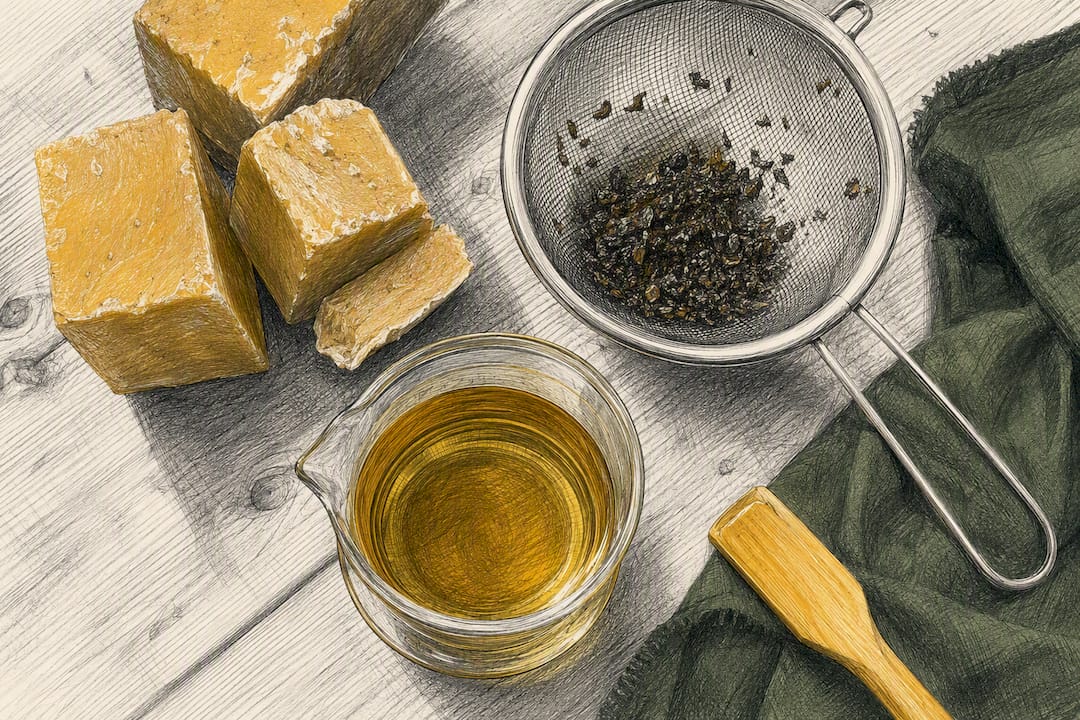
If you’re sourcing wax locally, ask about filtration quality. Raw beeswax straight from the hive still contains propolis and debris that can clog fine spiral ridges during a pour. A properly filtered beeswax pours cleaner into detailed molds and reduces the odds of surface pitting once the candle sets.
A Craft Perspective on Spiral Candles
The spiral votive is the shape that taught the most about wax temperature control, since even a two-degree miscalculation shows up instantly in a small pour. Start with a votive or small taper before committing wax and time to a full pillar mold. Small runs teach you the mold’s personality faster and cheaper than large ones do.
— Marks
Shop Spiral Silicone Molds and Starter Kits
Latvian Candles carries both spiral pillar and spiral taper molds built specifically for beeswax casting, with the flexible detail and heat tolerance that keep ridge patterns sharp pour after pour.

Start browsing the full silicone mold collection to compare sizes, or go straight to the spiral pillar mold if a centerpiece-scale candle is the goal. First-time casters usually do best pairing one taper mold with a starter kit of wick, thermometer, and pouring pitcher rather than buying multiple molds at once. Orders ship from Latvian Candles’ own fulfillment process, so check the product page for current shipping details before you order.
Sources
- Silikona veidne - Spirālveida svece - FS475
- Spinning Super Star Candle — Interactive Handcrafted Statement Candle
- Decorating with candles — inspiration and display ideas
FAQ
What size mold should a beginner start with?
A spiral votive or small taper is easiest to control on a first pour, since it needs less wax and cools faster than a full pillar mold.
Does beeswax work better than soy wax for spiral molds?
Beeswax holds fine ridge detail longer because it shrinks less during cooling, though spiral soy wax candles show the shape works across wax types.
How much wax does a spiral taper candle need?
A finished spiral taper around 18 centimeters uses roughly 60 grams of wax, though wider pillar molds require more.
Why does my spiral candle have air bubbles?
Pouring too fast or at too low a temperature traps air along the ridge grooves; a slower pour at a slightly higher temperature usually solves it.
Can I reuse a silicone spiral mold multiple times?
Yes, silicone molds like those from Latvian Candles are designed for repeated pours, which is part of what makes them a lower-waste option than single-use molds.


