
What Candle Market Trends Will Shape 2026?
Sculptural textured pillars, bee-cell forms, and small botanical pieces will outsell smooth, plain candles in 2026. Buyers want pure beeswax or lightly blended wax that finishes clean and holds scent well, and they will pay more for it when the sourcing story is honest. Visual packaging and seasonal limited editions timed for the November to December buying window will decide who actually sells out.
- Textured, sculptural, and bee-cell pillar shapes lead demand over flat or smooth designs.
- Pure beeswax or a small beeswax blend outperforms heavy synthetic-wax builds on finish and scent throw.
- Photo-ready packaging and holiday limited runs convert browsers into buyers.
Key Takeaways
Beeswax candle sellers who win in 2026 will pair textured, sculptural mold shapes with disciplined pour technique and honest, photo-ready sustainability marketing.
| Point | Details |
|---|---|
| Prioritize textured shapes | Bee-cell pillars and small sculptural pieces outsell plain cylinders in photos and in person. |
| Get pour temperature right | Beeswax cracks and tunnels without careful temperature control and correctly sized square-braid wicks. |
| Use poke-and-repour | A second top-off pour into the poked center prevents sinkholes as beeswax contracts while cooling. |
| Package for the photo | Recyclable packaging, texture close-ups, and clear labeling drive conversion as much as the candle itself. |
| Start with proven molds | Latviancandles’ bee-cell and classic pillar molds match 2026’s sculptural, textured demand and demold quickly for small batches. |
Table of Contents
- Candle Market Trends 2026: What’s Actually Driving Buyers
- Which Mold Shapes Should You Prioritize for 2026?
- Pure Beeswax or a Blend: What Should You Pour?
- What Scents Will Sell Best in 2026?
- How Do You Avoid Cracking, Tunneling, and Sinkholes?
- Packaging and Photography That Move Beeswax Candles
- Molds That Actually Match What Sells in 2026
- Why Most Trend Advice Undersells the Technical Side
- Where to Find Molds Built for These 2026 Trends
- Sources
- FAQ
Candle Market Trends 2026: What’s Actually Driving Buyers
The clearest signal in candle market trends 2026 is that shoppers now treat candles as decor first, scent second. A carved bee-cell pillar or a small sculptural face candle gets bought for how it looks on a shelf before anyone lights the wick. That shift rewards makers who invest in mold variety over makers who just add more scents to the same cylinder.
Sustainability is the second pillar. Buyers actively look for clean-burning, naturally sourced wax and reward makers who name their sourcing plainly, a trend documented in market commentary on beeswax’s premium positioning. A candle described only as “handmade” no longer carries the same weight it did five years ago; specifics sell.
Seasonality has not changed, and it will not. Holiday demand for beeswax candles keeps climbing, with the sector projected to grow at a CAGR of 8.4% from 2026 to 2033, and November and December remain the two months that make or break a small seller’s year.
Three things to plan around before spring:
- Build at least one limited holiday shape now, not in October.
- Stock enough wax and wicks to cover a demand spike, not just steady baseline sales.
- Treat packaging as part of the product, not an afterthought tacked on at shipping.
Which Mold Shapes Should You Prioritize for 2026?
Not every mold in your cabinet deserves equal shelf space next year. Some shapes will carry your catalog; others will sit in inventory. Here is how to rank them.
- Textured and bee-cell pillars first. The honeycomb-style ridge pattern photographs beautifully, hides minor surface flaws better than a smooth pillar, and signals “handmade” at a glance. It is the single easiest visual upgrade a small seller can make.
- Small sculptural pieces second. Faces, botanicals, and organic forms sell well as gift-sized items and let you price above standard pillars because they read as art objects, not commodity wax.
- Geometric and minimalist shapes third. Clean-lined designs suit buyers who want a premium, understated look for modern interiors, and they hold consistent finishes batch after batch.
- Classic pillars and cylinders round out the catalog. Every shop needs dependable, fast-turning staples, and a solid collection of pillar and cylinder molds gives you volume product between your statement pieces.
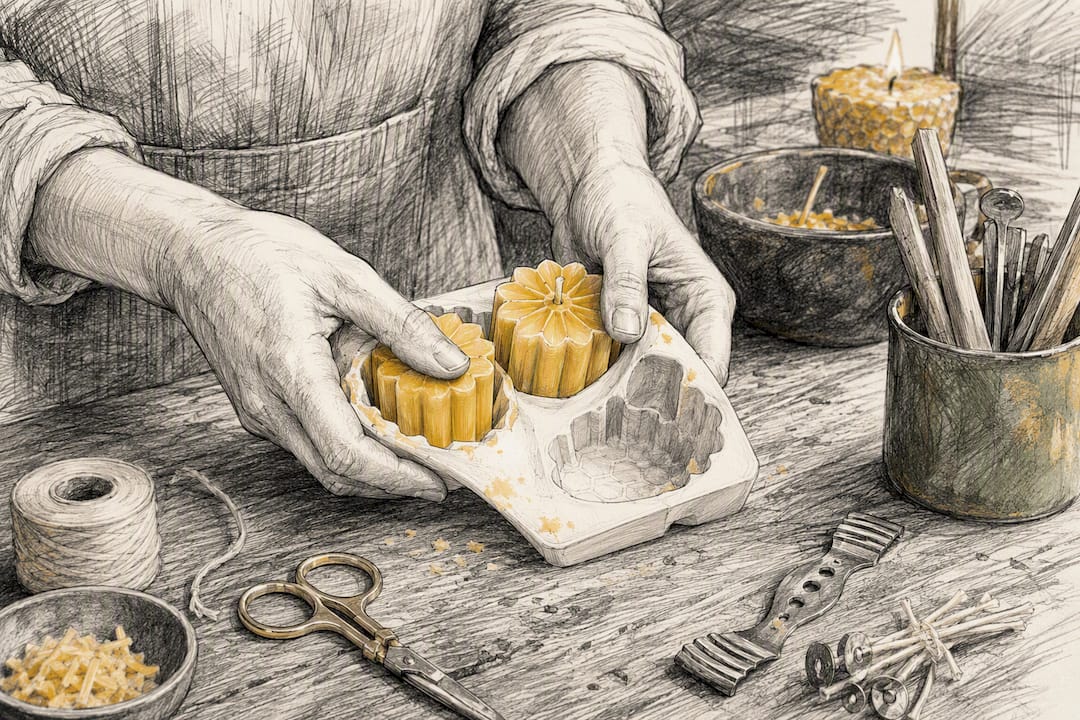
Production speed matters as much as looks. Textured silicone molds generally demold faster than deep sculptural ones because beeswax releases cleanly from patterned surfaces, while tea light molds turn over the quickest of all and are the best entry point if you are testing a new scent or color before committing to a full pillar run. Choosing the right shape family also means understanding why reusable silicone molds appeal to retailers who need consistent output without replacing tooling every season.
Pro Tip: Run a small batch of two or three shapes side by side before committing to a full production run. The one that demolds fastest with the cleanest edges is usually your best seller too.
Pure Beeswax or a Blend: What Should You Pour?
Marketing claims dictate your wax choice more than aesthetics do. If your listing says “100% pure beeswax,” it has to be exactly that, no exceptions, because eco-conscious buyers check labels closely. If your positioning allows for “beeswax blend,” a small addition of 10 to 15 percent coconut or soy wax reduces cracking and widens the melt pool without erasing beeswax’s identity.
Color is a real trade-off, not just a preference. Refined white beeswax gives you a cleaner canvas for pastel pigments and modern color palettes, while natural yellow beeswax reads as rustic and authentic, which fits the botanical and bee-cell aesthetic buyers already associate with the category.
- Use natural, wax-soluble pigments rather than synthetic dyes if your listing leans on sustainability language.
- Reserve heavy dye loads for accent pieces only; beeswax’s natural color is part of the sell.
- Test any blend at small batch size first since coconut oil content shifts pour and set behavior more than most makers expect.
What Scents Will Sell Best in 2026?
Woody notes, warm spice blends, and green or forest accords are pulling ahead for 2026, alongside subtle citrus top notes that cut through beeswax’s natural honey scent instead of fighting it.
- Keep fragrance load practical: beeswax carries scent differently than paraffin, so heavy loads often mute rather than boost throw.
- Let the honey base note work for you. Spice and woody blends layer naturally over it; floral overloads can clash.
- Essential oils offer a cleaner ingredient story but weaker throw than fragrance oils; label whichever you use accurately for safety and trust.
Fragrance sourcing partners like VOIDESCENT are worth exploring if you want pre-blended scent profiles built for natural wax bases rather than adapting paraffin-designed fragrances.
How Do You Avoid Cracking, Tunneling, and Sinkholes?
Beeswax punishes sloppy technique more than any other wax. Get the temperature and wick sizing right and most defects disappear before they start.
- Control your pour temperature. Pour beeswax too hot and it shrinks unevenly as it cools; pour too cool and you get poor adhesion and visible seams, a balance confirmed by practical pouring guidance for pure beeswax.
- Size your wick up. Beeswax burns denser than soy or paraffin, so a square-braid cotton wick one size larger than you’d use for other waxes is standard, and wide pillars often need two wicks instead of one.
- Poke and repour. Beeswax contracts hard as it cools, so a second small top-off pour into the poked center prevents the sinkholes and shrinkage lines that plague first-time beeswax pourers.
- Skip the fridge. Cooling beeswax fast in a refrigerator locks in stress cracks; let candles cure at room temperature for at least 24 to 48 hours before burning or shipping.
Pro Tip: Small blends of coconut oil, around 10 percent, can widen the melt pool and cut cracking risk on pillar shapes while keeping the beeswax character intact.
Packaging and Photography That Move Beeswax Candles
Presentation now sells as hard as the candle itself. Sellers who invest in real photography and thoughtful unboxing see stronger conversion on marketplaces, according to craft-seller trend data for 2026.
- Use minimal, recyclable packaging with a visible ingredient list and where the beeswax came from.
- Shoot texture close-ups of the bee-cell or sculptural surface, then pair with one lifestyle shot in consistent light and color tone across your whole grid.
- Write listing copy that states the wax blend, wick type, burn time, and first-burn instructions plainly, exactly the details serious buyers check first.
- Launch a holiday-only shape or scent each year to create urgency, and pull display cues from proven craft fair display tactics even for online listings.
Buyers increasingly favor small-batch, handmade goods over mass production, a shift also visible in slow-fashion consumer behavior, and matching your color palette to broader 2026 design trends keeps your grid feeling current.
Pre-Listing Quality Checklist
Run this before anything goes up for sale.
- Burn-test every new batch: check melt pool depth, soot, wick mushrooming, scent throw, and container heat.
- Fix visible sinkholes with a quick top-off pour; treat minor tunneling with a heat gun or the foil-wrap method.
- Confirm your label lists wax type, wick material, burn time, and standard fire-safety warnings before it ships.
Molds That Actually Match What Sells in 2026
The bee-cell texture keeps outperforming plain pillars in our own catalog, which lines up with everything above. The Bees on Cells Beeswax Silicone Candle Mold and its tea light version both demold fast and hold detail through dozens of pours.
- Bee Cells Pillars for statement pieces buyers photograph and gift.
- Classic pillar and cylinder molds for dependable, fast-turning staples.
- Starter kits for makers moving from hobby to first sales.
Silicone molds built specifically for beeswax hold texture through repeated pours without warping, which is the difference between a mold that lasts one season and one that lasts years.
New sellers can start with tutorials and a DIY candle starter kit rather than guessing at temperatures and wick sizes alone.
Why Most Trend Advice Undersells the Technical Side
Most trend coverage stops at “sculptural shapes are in” and never mentions that sculptural shapes are also the hardest to pour without a sinkhole. That gap is where hobbyists lose money, buying trendy molds, then producing flawed candles because nobody warned them beeswax contracts harder than soy or paraffin as it cools.
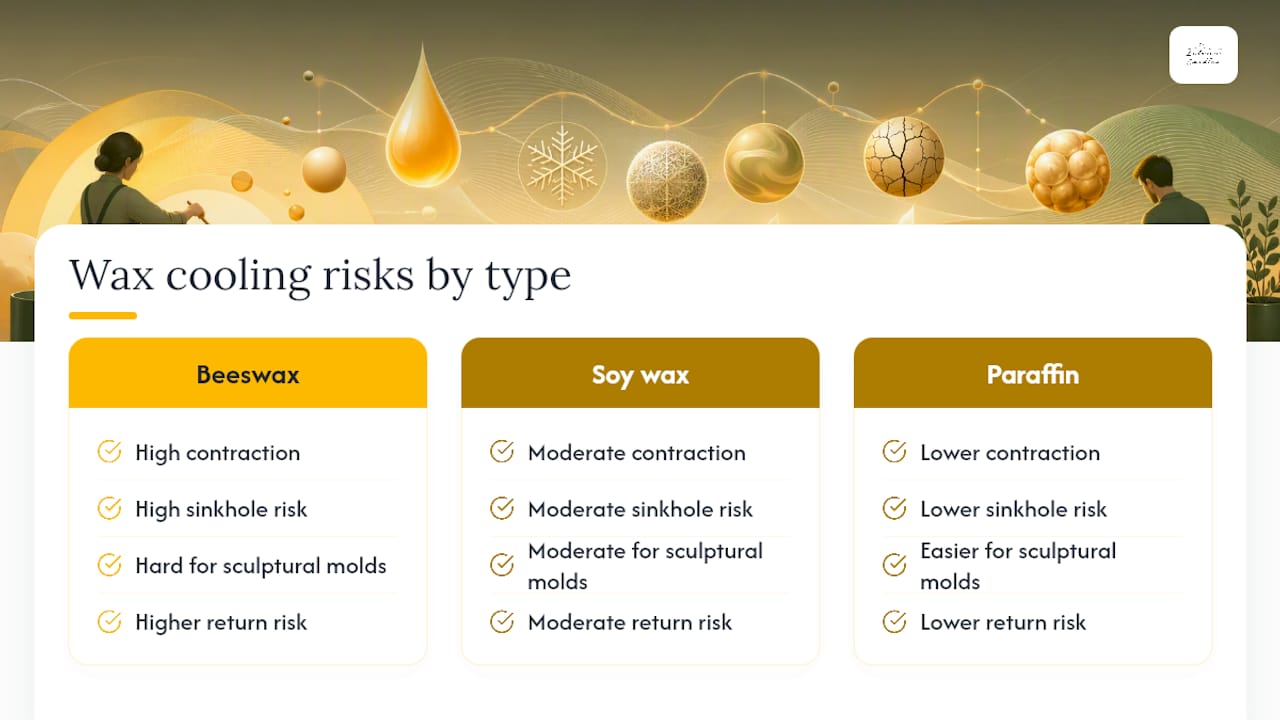
The conventional advice treats aesthetics and technique as separate problems. They are not. A gorgeous bee-cell pillar with a visible shrinkage line photographs badly and gets returned, which means technique protects the sale just as much as the mold choice does.
If you take one thing from this guide, prioritize your pour temperature and wick sizing before you chase a new mold shape. A well-executed classic pillar outsells a poorly poured sculptural piece every time, because buyers notice cracks faster than they notice missed trends. Get the fundamentals solid first, then layer on the shapes and scents that are actually moving in 2026.
— Marks
Where to Find Molds Built for These 2026 Trends
Latviancandles is the direct route to the exact mold families this guide points to, without hunting across marketplaces for silicone that actually holds beeswax detail. The Bees on Cells Beeswax Silicone Candle Mold and its solo pillar version, the Bee Cells Pillars Solo mold, give you the textured look buyers are already responding to, reusable across hundreds of pours instead of wearing out after one season.
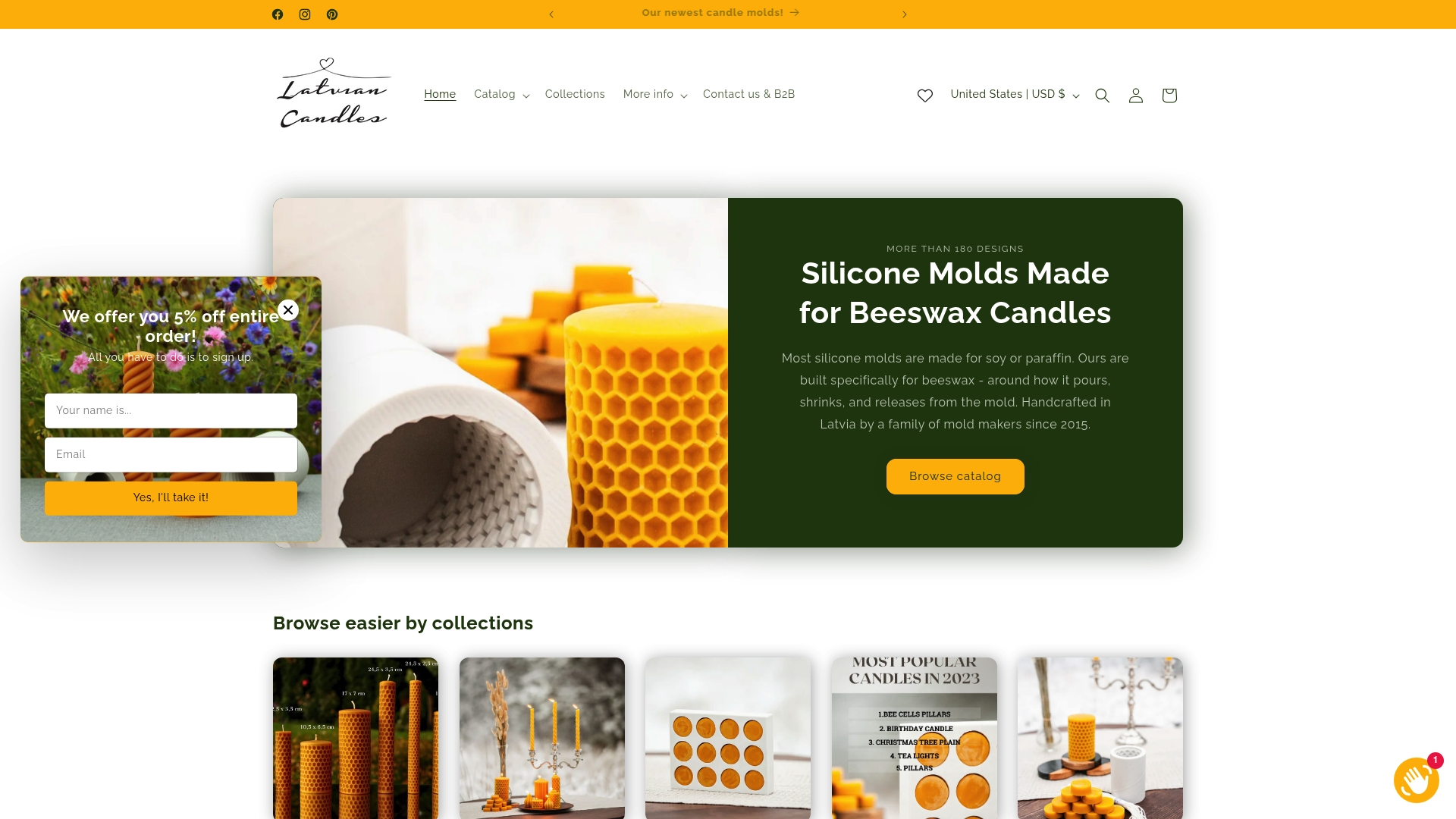
If you are still building your basic catalog, the Classic Candle Molds collection covers dependable pillars and cylinders, and the DIY Candle Making Starter Kit bundles molds for makers who want to test shapes before investing further. Browse the full mold catalog and pick one new shape to test against your current bestseller this month.
FAQ
What mold shapes are trending for beeswax candles in 2026?
Textured bee-cell pillars, small sculptural botanical and figural pieces, and minimalist geometric shapes lead demand, with classic pillars and cylinders still selling as reliable staples.
How do I stop beeswax candles from cracking or tunneling?
Control your pour temperature, size wicks up for beeswax’s density, use a poke-and-repour top-off for sinkholes, and let candles cure at room temperature instead of refrigerating them.
What scents work best with beeswax in 2026?
Woody, warm spice, green forest notes, and subtle citrus top notes pair well with beeswax’s natural honey base, generally outperforming heavy floral fragrance loads.
Which Latviancandles molds fit these 2026 trends?
The Bees on Cells Beeswax Silicone Candle Mold, the Bee Cells Tea Lights mold, and the Bee Cells Pillars Solo mold all match the textured, sculptural look driving 2026 sales.


